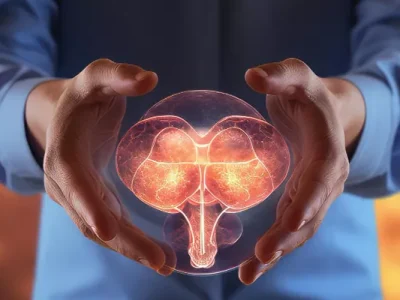

Sexual Health & Infertility represent an important area of health both individually and socially, and having accurate information on these topics directly affects quality of life. Understanding Sexual Health & Infertility allows proper evaluation of reproductive functions, helps identify problems early and supports couples in experiencing a healthier journey. For both women and men, knowledge in this area is important not only medically but also psychologically and socially.
The Fundamental Importance of Sexual Health
Sexual health is not only the absence of disease but also a state of complete physical, emotional and social well-being. A healthy sexual life supports hormonal balance, provides psychological comfort and strengthens communication between partners. For this reason, sexual health is an essential part of overall well-being. Problems in this area do not arise solely from physical factors; stress, lifestyle, relationship dynamics and psychological conditions can directly affect sexual function.
Protecting sexual health requires conscious development of lifestyle habits such as regular health check-ups, proper nutrition and stress management. Early recognition of diseases that may affect the reproductive system is valuable for maintaining personal well-being and reducing the risk of infertility.
The Definition and Prevalence of Infertility
Infertility is defined as the failure to achieve pregnancy after one year of regular, unprotected sexual intercourse. It affects approximately one in six couples worldwide and may result from both female and male factors. In women, ovulation problems, blocked fallopian tubes or hormonal imbalances may lead to infertility, while in men, low sperm count or quality, hormonal issues or structural abnormalities may be responsible.
Although infertility is often perceived as a female issue in society, male-factor infertility is just as common. Therefore, it is essential for couples to be evaluated together and for both partners to take an active role in the process.
The Relationship Between Sexual Health and Infertility
There is a close relationship between sexual health and infertility because many conditions that affect reproductive functions also influence sexual function. Hormonal imbalances can negatively affect both sexual desire and fertility. Additionally, chronic stress, depression or relationship problems may reduce sexual desire and lower the chances of conception.
Sexually transmitted infections also pose major risks to both sexual and reproductive health. These infections may damage the fallopian tubes in women and reduce sperm quality in men. Protecting sexual health, avoiding infections and maintaining regular check-ups are key strategies for reducing the risk of infertility.
Infertility Symptoms and Warning Signs
Infertility often does not show obvious symptoms; therefore, most couples realize the issue only when pregnancy does not occur. However, some signs may indicate an underlying problem. In women, irregular menstrual cycles, painful periods, unexplained weight changes or hormonal imbalances may be related to infertility. In men, conditions such as varicocele that affect sperm quality may sometimes show physical symptoms.
Decreased sexual desire, erectile problems or painful intercourse are also factors that may affect reproductive health. Seeking medical advice promptly when such symptoms occur helps resolve potential issues at an early stage.
The Impact of Early Diagnosis on Infertility
One of the most important elements in infertility management is early diagnosis. Delayed evaluation may limit treatment options. Age is a critical factor in women; ovarian reserve decreases rapidly after age 35. Early evaluation allows proper planning of effective treatments.
With early diagnosis, essential tests such as hormonal assessments, ovulation analysis and semen evaluation can be conducted, identifying the root cause quickly. Treatment options vary from lifestyle modifications to medical or surgical approaches, depending on the individual case.
Lifestyle Factors Affecting Sexual Health and Fertility
Lifestyle directly affects both sexual health and infertility risk. Excess weight, poor nutrition, sedentary habits and smoking negatively influence hormonal balance and reproductive function. Smoking significantly impairs egg quality in women and sperm health in men.
A balanced diet rich in vitamins and minerals supports both sexual health and fertility. Regular exercise improves blood circulation and may enhance sperm quality, especially in men. Stress management is crucial; chronic stress disrupts hormonal balance, reduces sexual desire and affects reproductive potential.
The Impact of Sexually Transmitted Infections on Reproductive Health
Sexually transmitted infections are major health issues that may cause infertility if left untreated. Infections such as chlamydia and gonorrhea may lead to tubal adhesions in women and blockage of sperm pathways in men. These infections often show no symptoms, making regular screening essential.
Individuals with unprotected sexual activity should be particularly aware of infection risks. Treatment is usually simple but may cause permanent damage if delayed. Therefore, adopting protective sexual health habits is vital for both infection prevention and long-term reproductive well-being.
Treatment Methods and the Role of Modern Medicine
Infertility treatment is a multi-step process tailored to the individual. In women, medication to regulate ovulation, surgical approaches for tubal problems or assisted reproductive techniques may be used. In men, treatments may include medications to improve sperm production, varicocele therapy or sperm retrieval methods.
Modern medicine, through advancements in assisted reproductive technologies, has provided hope to many couples. Among these methods are intrauterine insemination, in vitro fertilization and intracytoplasmic sperm injection. Treatment success varies according to age, medical history and the nature of the problem. Professional guidance throughout the process is essential.
The Psychological Dimension of Sexual Health
Psychological factors should not be overlooked in sexual health and infertility. Couples diagnosed with infertility often experience anxiety, stress, loss of confidence and relationship difficulties. Psychological support helps manage the process more effectively. Couple therapy and individual counseling reduce emotional burden and positively support treatment progress.
Many sexual dysfunctions have psychological roots; therefore, an approach that evaluates both physical and mental health is highly effective in resolving sexual health issues.
Frequently Asked Questions
What are the symptoms of infertility?
- Irregular menstrual cycles in women
- Problems related to sperm production in men
- Reduced sexual desire
- Physical changes linked to hormonal imbalance
Do sexually transmitted infections cause infertility?
When left untreated, sexually transmitted infections may cause permanent damage to the reproductive system in both women and men. Tubal blockage, narrowing of sperm ducts and damage to reproductive cells may all reduce the chance of pregnancy. Early treatment, regular screening and avoiding unprotected intercourse are critical for preserving reproductive health.
How is infertility diagnosed in men?
Diagnosis of male infertility requires a semen analysis. This test evaluates sperm count, motility and morphology. Hormonal tests and a urological examination may also be included. Since many cases show no symptoms, proper evaluation must be performed by a healthcare professional.
How does age affect infertility in women?
As women age, ovarian reserve decreases and reproductive quality declines. After age 35, pregnancy rates drop and miscarriage risk increases. Therefore, early evaluation based on age factors is recommended.