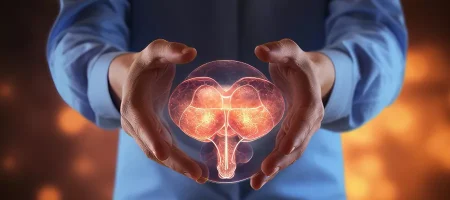
Testicular Health is a broad field that covers the structure, functions and possible diseases of the testes, which are one of the most important components of the male reproductive system. Understanding Testicular Health helps interpret the factors that directly affect hormonal balance and sperm production. Modern life stress, environmental toxins and unhealthy habits can negatively impact testicular functions. For this reason, becoming informed about Testicular Health is essential for early diagnosis opportunities and improving quality of life.
Basic Functions of the Testicles and Their Role in Reproductive Health
The testicles are the organs where testosterone, the male hormone, is produced and where sperm cells develop. These two critical functions determine both sexual performance and reproductive capacity. Testosterone plays an active role in muscle development, bone density, libido and mood. Healthy testicles are necessary to maintain proper sperm production.
Even small structural changes in the testicles may affect hormonal balance. Therefore, symptoms such as pain, swelling or hardness should not be ignored and should be evaluated. Preserving reproductive health is directly related to protecting testicular functions.
Common Conditions Affecting Testicular Health
Testicular Health can be affected by various diseases across different age groups. Varicocele, testicular torsion, epididymitis, testicular cancer and hormonal disorders are the most common conditions. Most of these issues can be successfully treated when detected early.
Varicocele occurs when the veins around the testicles enlarge, which may negatively impact sperm quality. It often presents as pain or a feeling of heaviness. Testicular torsion is an emergency condition; the twisting of the testicle cuts off blood flow and may cause permanent damage within hours. Epididymitis is inflammation of the epididymis behind the testicle and is usually related to infections.
Each condition shows different symptoms. The most important point is to evaluate any noticeable changes in the testicles without delay.
The Importance of Symptoms in Testicular Health
Symptoms that help detect testicular health issues early often include pain, swelling, a feeling of heaviness or noticeable hardness during self-examination. These symptoms are often overlooked as temporary. However, even minor trauma can cause sensitivity in the testicles.
Performing self-examinations is extremely valuable for early diagnosis. A brief check during a warm shower can help identify potential risks. Developing the habit of regular examination is important for raising awareness in the community.
The Critical Role of Early Diagnosis in Testicular Diseases
Early diagnosis is vital for Testicular Health. Testicular cancer is one of the most common cancers in men aged 15–40, and when detected early, treatment success rates are very high. Therefore, regular check-ups before symptoms appear provide significant long-term benefits.
When conditions such as varicocele are detected early, sperm quality can be preserved and infertility risk can be reduced. Similarly, early diagnosis in emergencies like testicular torsion can be life-saving. Early detection lowers treatment costs and protects quality of life.
Lifestyle Factors That Directly Affect Testicular Health
Lifestyle habits have a major impact on Testicular Health. Smoking negatively affects sperm production, reduces motility and may cause DNA damage. Excessive alcohol intake also disrupts hormonal balance and weakens testicular function.
Tight clothing and long-term exposure to high heat (such as sauna, hot baths or placing a laptop on the lap) may reduce sperm production. The testicles need to stay a few degrees cooler than normal body temperature to function properly. Therefore, clothing choices and daily habits play an important role in Testicular Health.
Balanced nutrition supports testicular function as well. Foods rich in antioxidants, zinc, selenium and omega-3 fatty acids can improve sperm health. Regular exercise enhances hormonal balance and blood circulation, contributing to healthier testicular performance.
Self-Examination of the Testicles
Self-examination is a simple but highly effective method that men can easily perform. It is recommended especially after a warm shower, when the scrotal muscles are relaxed and the testicles are easier to examine. Each testicle should be checked separately, paying attention to hardness, swelling or any unusual differences.
Self-examination is not only for detecting abnormalities but also for learning the normal structure of the testicles. This helps individuals notice changes earlier and consult a specialist promptly.
Natural Protective Methods for Testicular Health
Natural methods can support Testicular Health. Foods high in antioxidants, natural oils that support hormonal balance and regular physical activity can positively influence testicular function. Vitamin E, selenium, zinc and coenzyme Q10 have notable effects on sperm health.
However, natural methods should not replace medical treatments. They should be used as supportive measures, and persistent symptoms should always be evaluated by a specialist.
The Relationship Between Sports and Testicular Health
Regular exercise positively impacts testicular function; however, excessive training or improper equipment may lead to negative outcomes. Sports like cycling and motorcycling may cause pressure on the testicles due to prolonged sitting, which can reduce circulation and cause discomfort.
Chemical supplements used in intensive training programs can also disrupt hormonal balance and adversely affect Testicular Health. Therefore, balanced exercise routines should be preferred, and unconscious supplement use should be avoided.
Frequently Asked Questions
What causes testicular pain?
- Trauma
- Infections
- Vascular issues such as varicocele
- Testicular torsion
- Pain radiating from the groin area
Does varicocele affect sperm quality?
Varicocele is a condition caused by the enlargement of veins around the testicles and can directly affect sperm quality. Pooling of blood increases the temperature, which negatively impacts sperm production. Treatment is particularly important for men who wish to have children. Regular evaluation and surgical intervention when necessary support reproductive health.
Does hardness in the testicles always indicate cancer?
A palpable hardness in the testicles does not always indicate cancer, but it is one of the most important warning signs. Therefore, any hardness, swelling or structural change should be evaluated by a specialist without delay. When detected early, testicular cancer has a high treatment success rate, and testicular ultrasound plays a key role in diagnosis.
Which habits should be avoided to protect testicular health?
Smoking, excessive alcohol intake, tight clothing, heat exposure and irregular eating habits negatively affect testicular function. Unconscious medication use and extreme exercise programs may also disrupt hormonal balance. Adopting healthy lifestyle habits provides significant benefits for preserving testicular function.